The Interplay of Transaction Methods and Progressive Prize Pools in Portable Table Game Formats
Greta Koch · Aug 18, 2026
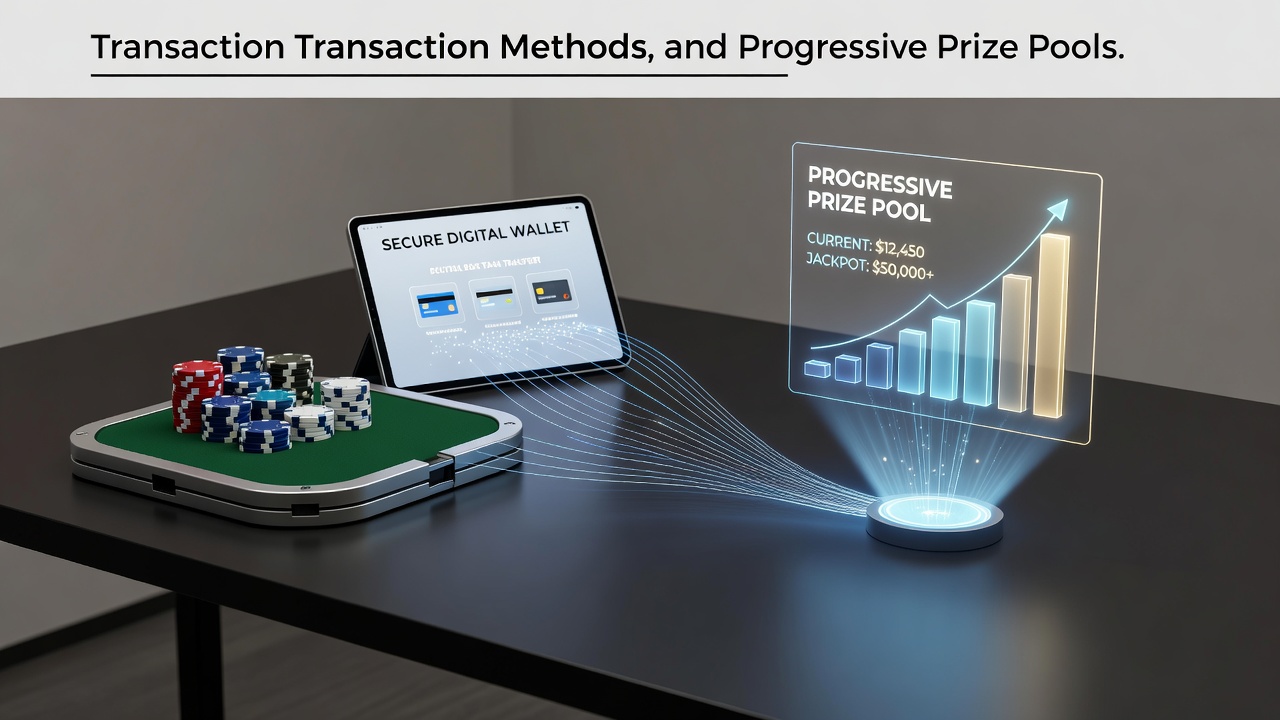
The Interplay of Transaction Methods and Progressive Prize Pools in Portable Table Game Formats
Portable table game formats combine traditional card and table mechanics with mobile accessibility, allowing players to engage through smartphones and tablets across varied locations while progressive prize pools accumulate contributions from multiple wagers in connected networks. Transaction methods enter this system as the conduits for funding accounts, placing bets, and collecting winnings, which in turn influences how rapidly those pools expand and how participants interact with them.
Mechanics Behind Progressive Prize Pools
Progressive prize pools in these formats draw small percentages from each qualifying bet across linked games, creating a shared accumulation that resets after a win and rebuilds through ongoing play, according to data compiled by the Nevada Gaming Control Board. Portable versions extend this model beyond fixed casino floors by routing contributions through centralized servers that track activity regardless of device location, and researchers at institutions such as the University of Nevada, Reno have documented how network scale directly correlates with pool growth rates in mobile environments.
Transaction Methods in Mobile Contexts
Payment options range from credit card processors and bank transfers to digital wallets and cryptocurrency gateways, each carrying distinct processing speeds, fees, and verification requirements that affect deposit frequency and bet volumes. Faster methods reduce friction between funding an account and placing wagers, which observers note leads to higher participation rates in progressive systems, while slower or higher-cost options can limit the number of bets feeding into the pool during peak hours. Data from Canadian regulatory records shows that e-wallet adoption in portable table games rose steadily through 2025, correlating with measurable increases in average pool sizes for games like mobile blackjack variants.
How Transaction Speed Shapes Pool Accumulation
Instantaneous transaction approvals allow continuous play sessions without interruption, enabling more individual contributions to accumulate within short timeframes, whereas batch-processed methods introduce delays that can pause betting cycles and slow pool growth. In August 2026, industry reports indicated that platforms supporting same-minute deposits recorded up to 18 percent higher average progressive contributions per active user compared with those relying primarily on traditional card authorizations, based on aggregated figures from multiple operators. This dynamic becomes particularly relevant in portable formats where users often switch between brief sessions throughout the day, and seamless funding supports sustained engagement that compounds across the network.
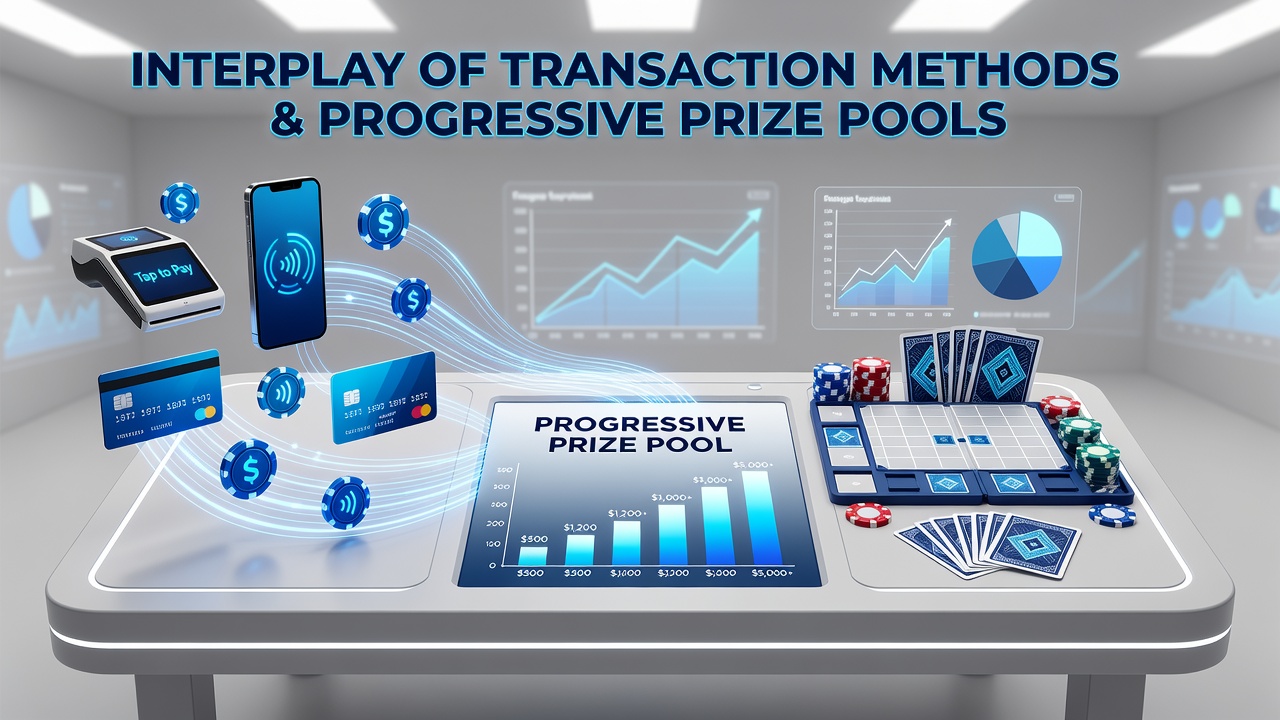
Transaction fees also factor into the equation because higher costs per deposit can discourage smaller, more frequent wagers that collectively drive incremental pool increases, while low or no-fee options encourage repeated micro-transactions. Studies from the Alcohol and Gaming Commission of Ontario have tracked these patterns in regulated mobile environments, revealing that fee structures influence not only player behavior but also the overall velocity at which progressive meters advance across connected portable titles.
Network Effects and Cross-Border Considerations
Portable table games often operate across jurisdictional boundaries where transaction regulations differ, creating situations in which certain payment rails integrate more smoothly with international progressive networks than others. Cryptocurrency options, for instance, bypass some traditional banking delays and enable direct contributions from regions with restricted card processing, thereby expanding the player base feeding into shared pools. Yet regulatory variations mean that verification requirements can still create bottlenecks, and those who monitor these systems note that platforms balancing multiple transaction types tend to maintain steadier pool growth even when regional access fluctuates.
Security Protocols and Their Influence
Security measures tied to transaction methods, such as multi-factor authentication and real-time fraud screening, add layers that can either protect or momentarily restrict access to progressive play. When these checks process quickly, they support uninterrupted betting sequences that keep contributions flowing, but extended verification periods reduce the rate at which new funds enter the system. Evidence from European regulatory summaries highlights how optimized security integrations in mobile platforms have helped sustain consistent pool expansion without compromising compliance standards.
Conclusion
The relationship between transaction methods and progressive prize pools in portable table game formats rests on measurable factors including processing speed, associated costs, and regulatory alignment, all of which determine how effectively individual wagers aggregate into shared rewards. As portable formats continue to expand their reach, the efficiency of funding mechanisms remains a central element shaping pool dynamics across networks.